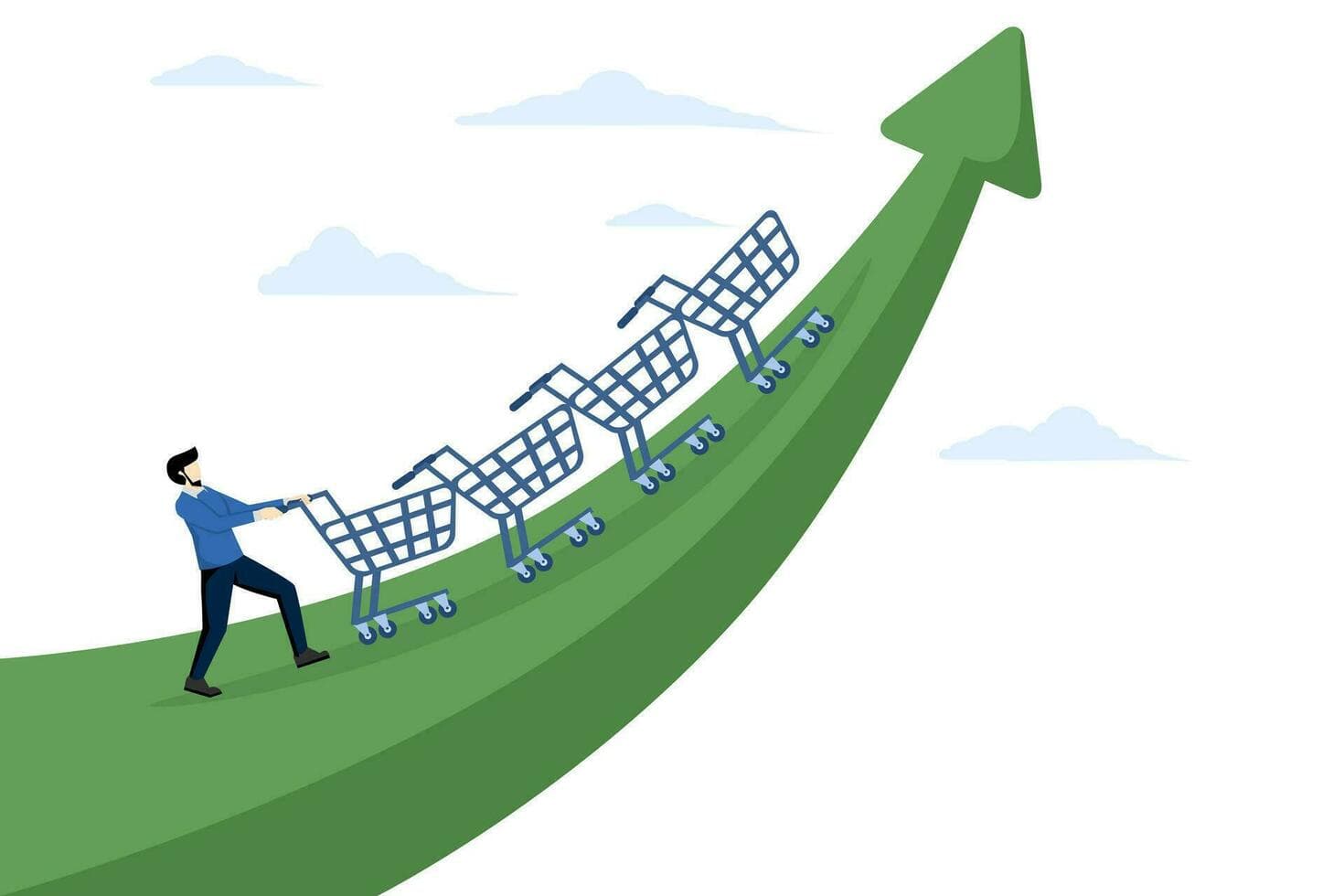
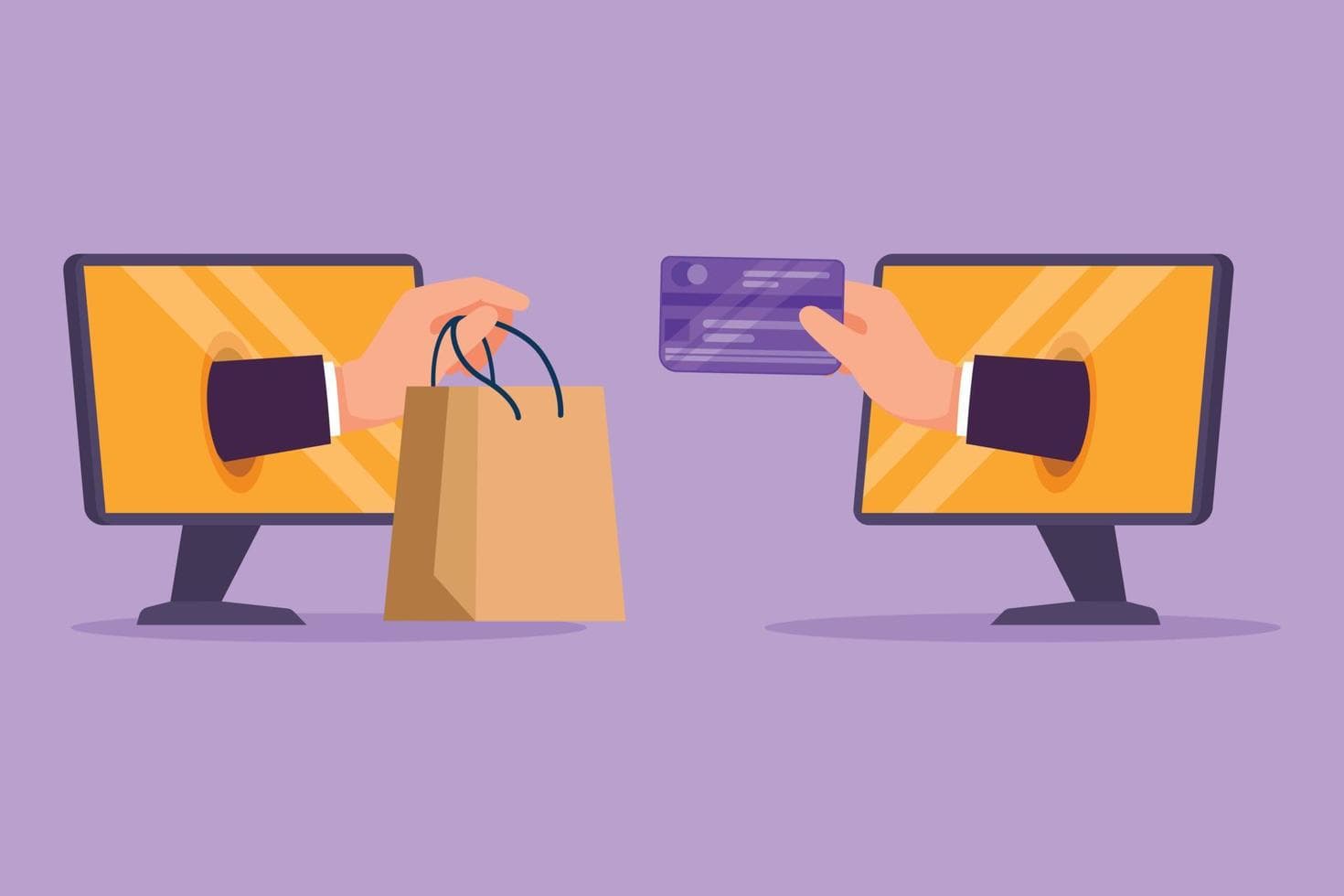
E-commerce has witnessed rapid development in recent years, extending beyond product variety and improved user experiences to include the evolution of payment methods and the introduction of more flexible financial solutions. With the emergence of options such as electronic installment payments, the shopping experience has taken on new dimensions that directly influence how consumers make purchasing decisions
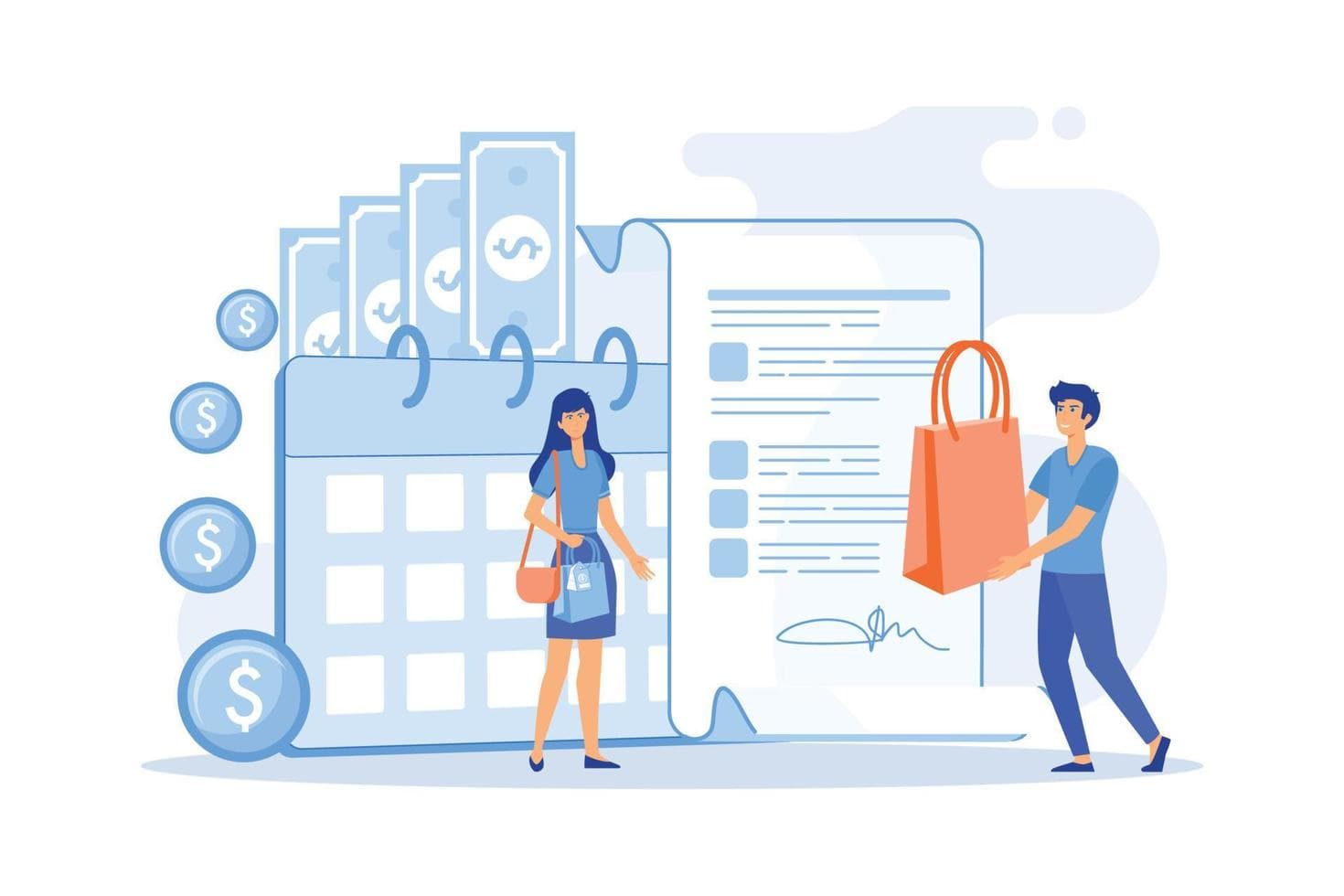
In the past, purchasing decisions were largely linked to a consumer’s ability to pay the full price of a product immediately. In many cases, customers postponed buying certain products despite needing them because of high costs or insufficient liquidity at the time of purchase. As a result, purchasing decisions were often influenced more by financial limitations than by actual need.
With the advancement of electronic installment solutions, this reality gradually changed. Consumers became able to acquire products and services immediately while distributing the cost over multiple payment periods. This flexibility not only affected payment methods but also changed the way people think before making a purchase.
When consumers have access to multiple payment options, they begin evaluating product costs differently. Instead of focusing entirely on the total amount, they start considering the installment value and whether it can fit into their monthly budget. This shift in perspective can make certain products and services more accessible to customer groups that previously considered them beyond their financial reach.
From this perspective, electronic installment systems have become a major influence on purchasing behavior because they do not only change payment methods—they also reshape how consumers evaluate purchasing decisions themselves. Some customers may make purchasing decisions more quickly when they feel that financial obligations have become more manageable and less stressful on their budgets.
Electronic installment options have also helped reduce what could be described as the “price barrier.” In some cases, the issue is not necessarily that a product is expensive, but rather that paying the full amount upfront creates a psychological or financial obstacle. When the cost is divided into smaller payments, purchasing decisions may become easier for many consumers.
The impact is not limited to customers alone; it also extends to merchants and online businesses. The more flexible payment options become, the greater the opportunity to convert visitors into actual buyers. Many trends in digital commerce indicate that payment convenience has become a factor nearly as influential as product quality and pricing.
Within local markets, digital platforms have increasingly moved toward offering more flexible and diverse shopping experiences in response to changing user needs. In the GINI marketplace, purchasing and payment solutions have become part of an integrated digital experience aimed at giving users options that suit their different circumstances. This reflects a broader transformation within the e-commerce sector toward more flexible and personalized customer experiences.
In addition, the widespread use of smartphones and digital services has accelerated the adoption of electronic installment solutions. Consumers can now browse products, compare options, select payment methods, and complete purchases within minutes. This accessibility can significantly speed up decision-making compared to traditional methods used in the past.
However, despite these advantages, the impact of electronic installment systems on purchasing decisions is not always entirely positive. Increased flexibility can sometimes encourage consumers to make quick purchasing decisions without sufficient planning or careful evaluation of their ability to meet future payment obligations. This highlights the importance of financial awareness and responsible planning when using such services.
On the other hand, thoughtful use of installment solutions can improve the purchasing experience and make it more suitable for consumers’ needs. The goal is not simply to increase purchase volume, but rather to provide solutions that help individuals access products and services in ways that align with their financial circumstances.
As financial technology and e-commerce continue to evolve, flexible payment options are expected to become an essential part of the future of digital shopping. These services will likely continue advancing through the integration of artificial intelligence and data analytics, enabling more personalized and efficient experiences for users.
In conclusion, electronic installment systems have not only changed payment methods; they have also reshaped how customers make purchasing decisions. They influence ways of thinking, price evaluation, and product accessibility. However, their true impact ultimately depends on how they are used and on consumers’ ability to maintain a balance between financial flexibility and responsible purchasing decisions.