Trust has become one of the most important factors determining the success or failure of any online store in today’s digital economy. Despite the rapid growth of e-commerce, consumers still seek a sense of security and confidence before making a purchase. When trust is absent, customers may hesitate to complete a transaction even if the product is attractive and competitively priced
Trust begins with the first impression a customer forms when visiting an online store. A professional design, intuitive navigation, and well-organized product categories create a sense of credibility and reliability. On the other hand, websites that appear outdated, confusing, or lacking essential information can raise doubts and cause potential customers to leave before exploring the available products.
Transparency also plays a critical role in building consumer confidence. Modern shoppers expect clear and accurate information about the products they intend to purchase. This includes detailed product descriptions, transparent pricing, shipping costs, and clearly stated return and exchange policies. When customers feel that all relevant information is readily available and presented honestly, they are more likely to proceed with their purchase.
Customer reviews and ratings are among the most influential trust-building tools in e-commerce. Many consumers rely heavily on the experiences of previous buyers before making a decision. Positive reviews and authentic customer feedback provide reassurance and help reduce uncertainty. For this reason, successful online stores actively encourage customers to share their experiences and opinions after completing a purchase.
Another important factor is effective communication. Consumers want to know that support is available whenever they need assistance. Clearly displayed contact information, responsive customer service, and timely replies to inquiries all contribute to a positive customer experience. When customers feel that they can easily reach the store, their confidence in the business increases significantly.
Data security has become increasingly important in the digital marketplace. Customers provide personal information and payment details during online transactions, and they expect these details to be handled responsibly and securely. Stores that demonstrate a commitment to protecting customer data and utilizing trusted payment systems create a stronger sense of confidence and peace of mind.
Payment options also play a significant role in establishing trust. Different customers have different payment preferences, and some may abandon their purchases if their preferred method is unavailable. Offering a variety of secure and convenient payment solutions increases flexibility and reassures customers that the store is committed to meeting their needs. This is where digital platforms that simplify transactions and connect consumers with local merchants can provide additional value.
In the GINI marketplace, which brings local stores together within a unified digital platform, customers can browse products from multiple merchants while benefiting from flexible payment options that improve the shopping experience. This model promotes transparency, convenience, and accessibility while helping merchants build stronger relationships with their customers over time.
Trust does not end once a payment is completed. In fact, the post-purchase experience is often what determines whether a customer returns in the future. Timely delivery, product quality, and efficient problem resolution all contribute to a store’s reputation. When a business consistently fulfills its promises and provides reliable service, it earns not only a sale but also long-term customer loyalty.
Ongoing communication further strengthens trust. Order updates, personalized offers, and requests for feedback demonstrate that the business values its customers even after the transaction is complete. Such interactions help create lasting relationships that go beyond a simple commercial exchange.
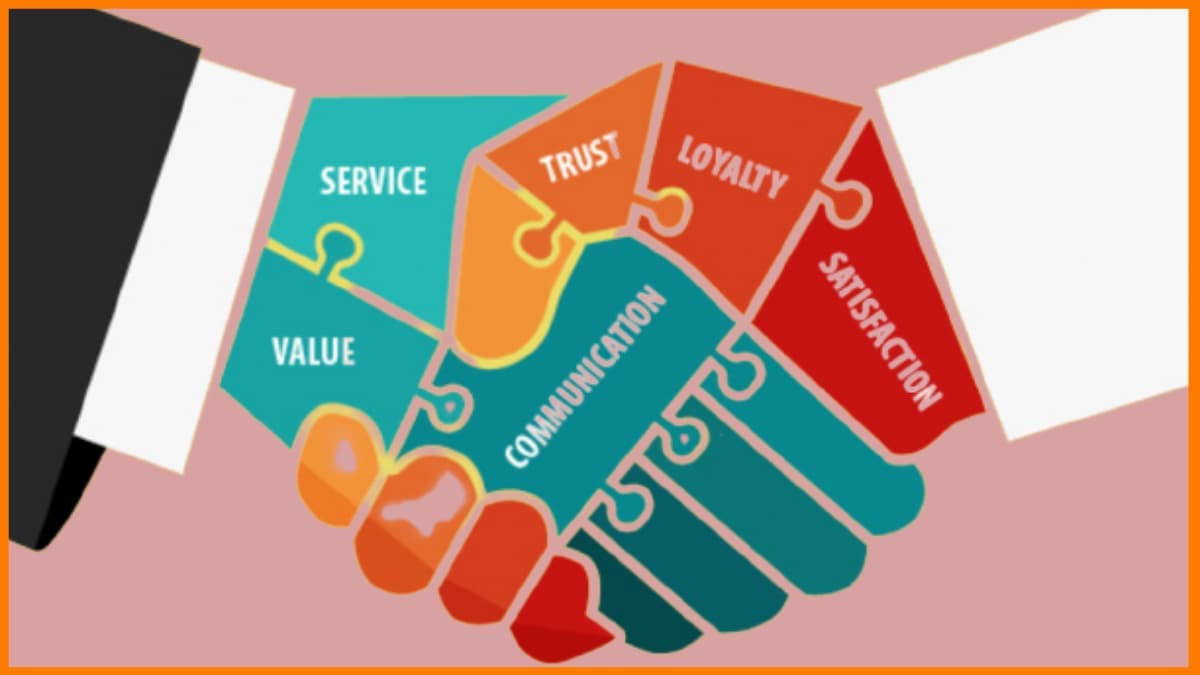
Ultimately, trust is built through a combination of transparency, security, service quality, communication, and consistency. In an increasingly competitive e-commerce environment, trust is one of the most valuable assets an online store can develop. While consumers may initially be attracted by products or pricing, they remain loyal to businesses that consistently provide a reliable, secure, and trustworthy experience.