Over the past few years, the world has witnessed a major transformation in the way buying and selling take place due to the rapid advancement of technology and communication. Shopping is no longer limited to visiting traditional markets or local stores; instead, it has become an essential part of people’s digital daily lives. With the widespread use of smartphones, high-speed internet, and smart applications
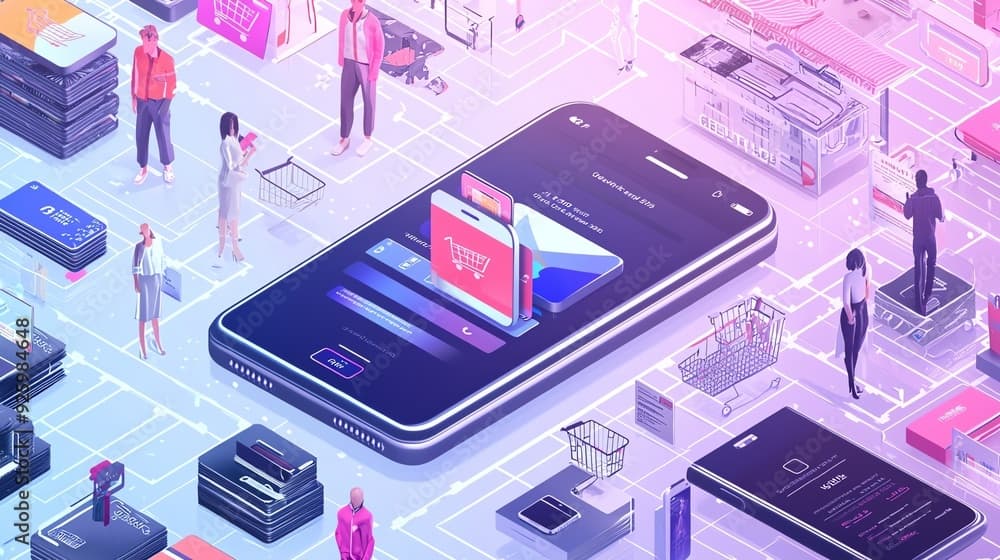
In the past, shopping depended heavily on the physical presence of customers inside stores, requiring time and effort to move between markets, search for products, and compare prices. Available options were often restricted by geographical boundaries or the number of nearby stores. Today, however, this concept has changed completely. Users can now browse thousands of products and services with just a few clicks, from anywhere and at any time.
Digital platforms have succeeded in removing many of the traditional barriers that once limited buying and selling activities. They created digital environments where sellers and customers can interact within unified spaces that allow products to be presented in a more organized and professional way. These platforms also provide tools that help users compare options and make better purchasing decisions. Platforms are no longer just interfaces for displaying products; they have evolved into integrated ecosystems offering multiple services that facilitate the customer journey from initial browsing to final purchase.
One of the most significant changes brought by digital platforms is the shift from the idea of simply “buying a product” to delivering a “complete shopping experience.” Modern consumers are not only looking for products; they also care about accessibility, order processing speed, payment methods, delivery services, technical support, and overall user experience. As a result, companies and digital platforms now compete more on the quality of customer experience than on products alone.
Digital platforms have also contributed greatly to saving time and effort. Instead of spending hours moving between stores and markets, users can browse products, compare prices, read customer reviews, and complete purchases within minutes. These platforms also allow customers to access products that may not have previously been available in their local areas.
On the other hand, digital platforms have opened significant opportunities for small and medium-sized businesses. In the past, establishing a physical store required considerable expenses including rent, equipment, operations, and marketing costs. Today, merchants can display their products through online platforms and reach a much larger customer base at significantly lower costs. This has encouraged many entrepreneurs to enter the world of e-commerce.
In addition, electronic payment systems have played a crucial role in supporting this transformation. The success of any digital platform does not depend solely on product display; it also relies on how easy and secure it is for users to complete payments. Modern payment methods have made purchasing faster, more flexible, and safer, increasing consumer confidence in online shopping.
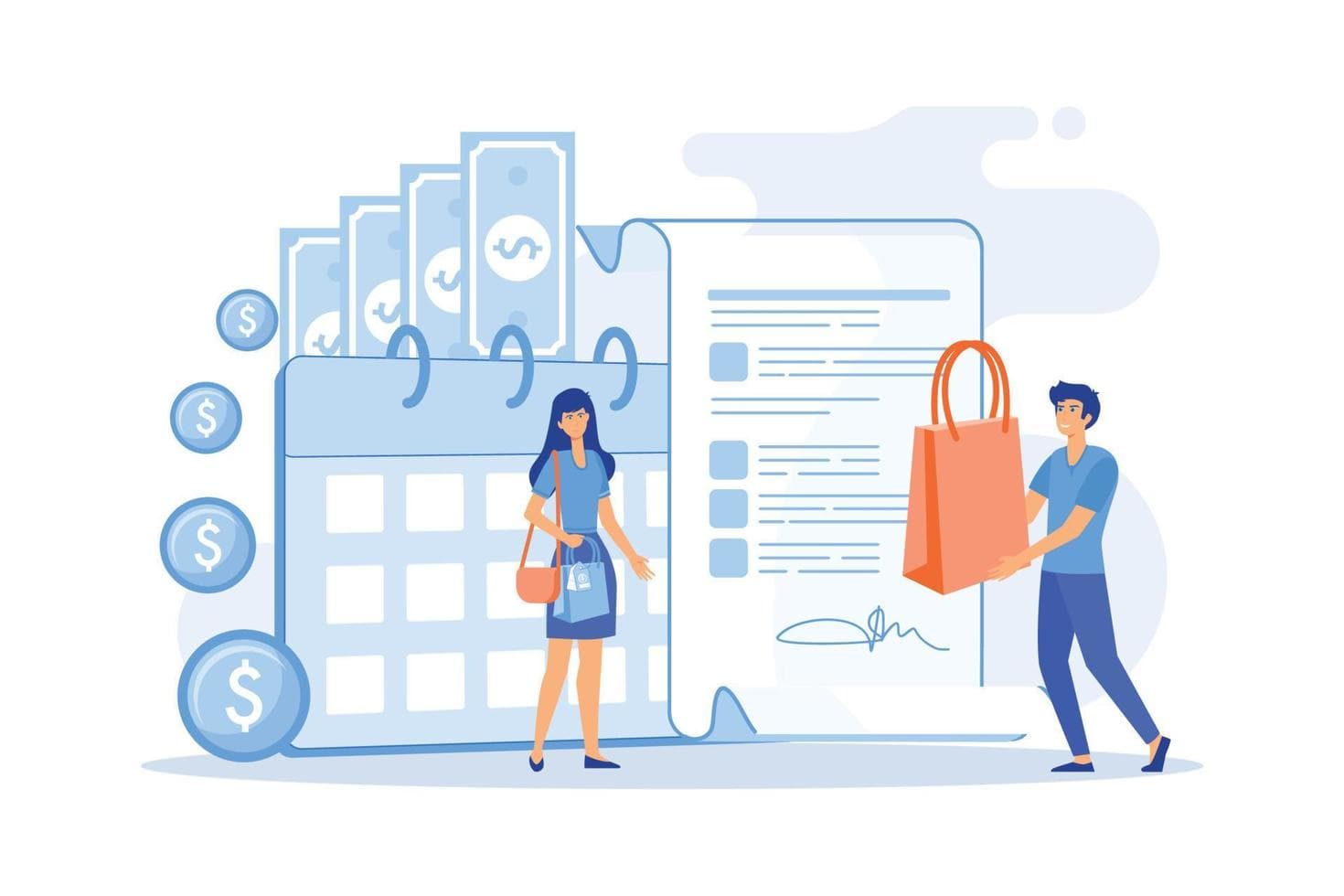
Additional services have also emerged as influential factors in purchasing decisions, such as installment programs, promotional offers, fast delivery services, and live order tracking. These features are no longer considered optional advantages; they have become essential expectations for modern users who seek convenience and speed at the same time.
Across various markets, new digital models have started to emerge that combine multiple services within a single platform. These platforms do not merely display products; they provide integrated ecosystems that connect merchants, customers, payment solutions, and delivery services into one seamless experience. Such models clearly represent the direction in which e-commerce is moving across the region.
In Iraq, several digital initiatives and platforms have started supporting local businesses and expanding their online presence by creating environments that enable merchants to showcase their products and reach larger customer audiences. These platforms also provide services that simplify the shopping experience, such as fast delivery and flexible payment options. One example is GINI, a platform that aims to provide this type of integrated experience by bringing merchants together within a unified digital environment and offering additional services such as installment plans at cash prices to make products more accessible to customers.
In conclusion, digital platforms have not only changed the way people shop but have completely redefined the concept of shopping itself. Shopping has evolved from a traditional activity limited by time and location into a fully integrated digital experience based on speed, flexibility, and accessibility. With ongoing technological advancements and increasing reliance on digital solutions, the future of shopping appears to be moving toward even greater integration and innovation, making digital platforms an essential part of everyday life and the modern economy.