Over the last decade, the world has witnessed remarkable growth in digital technologies, and smartphones have become an essential part of people’s daily lives across the globe. With this technological advancement, smart applications are no longer limited to communication or entertainment purposes; instead, they have evolved into integrated platforms offering multiple services including shopping, electronic payments, financial services, and various daily activities
In the past, purchasing and payment processes required multiple steps, beginning with visiting physical stores, selecting products, and completing transactions using cash or traditional payment methods. This process often required considerable time and effort and could be affected by factors such as geographical location, operating hours, or limited availability of options. Today, however, smart applications have significantly changed this reality by enabling users to access markets, stores, and services directly through their mobile devices.
Smart applications have dramatically reshaped the user experience by making access to products and services faster and more flexible than ever before. Through a single application, users can browse hundreds or thousands of products, compare prices, read customer reviews, select preferred payment methods, and complete purchases within minutes. This transformation has not only influenced consumer behavior but has also changed business models and service delivery methods.
One of the key reasons behind the success of smart applications is their ability to provide integrated user experiences. Modern users seek speed, simplicity, and fewer steps to complete everyday tasks. Therefore, companies increasingly focus on developing applications that combine multiple services in one place, eliminating the need for users to switch between several platforms to complete a single process.
Shopping applications have also played an important role in reducing the distance between merchants and customers. Previously, merchants depended on physical stores or independent websites to reach customers. Today, they can showcase products within applications and platforms that already have large user bases, expanding their reach and creating greater opportunities for growth and sales. In return, customers benefit from broader choices and more convenient shopping experiences.
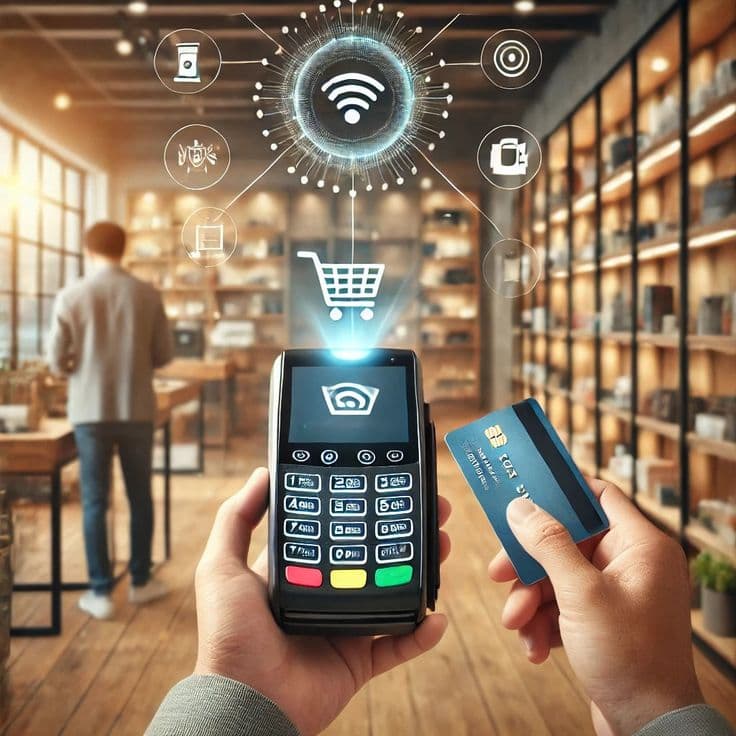
Regarding electronic payments, smart applications have become a major factor in accelerating the adoption of digital financial solutions. The easier and more secure payment processes become, the greater users' confidence in making online purchases. For this reason, modern applications increasingly integrate various payment methods, allowing users to choose the most suitable option according to their needs, whether through digital wallets, payment cards, or other electronic methods.
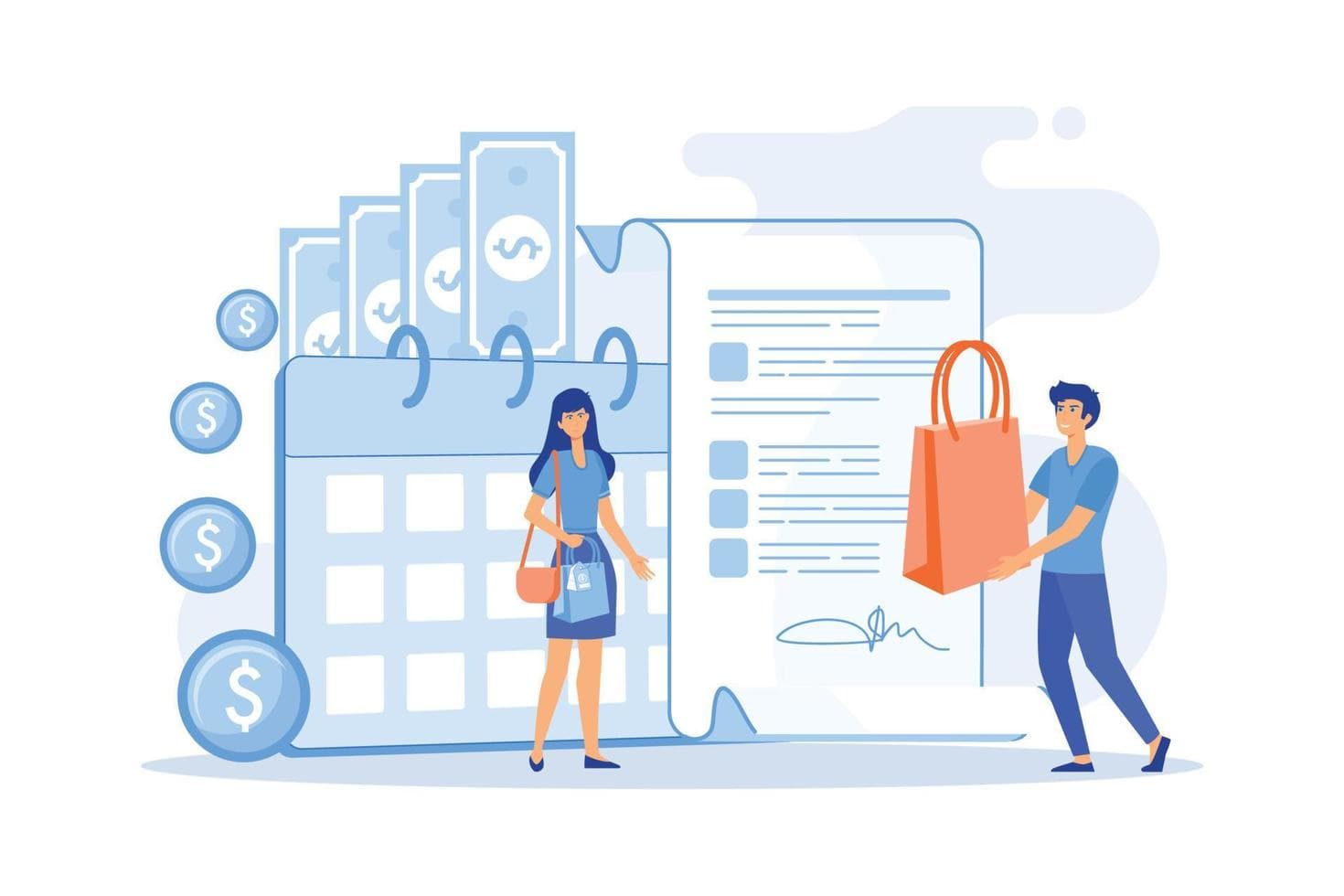
The role of applications is no longer limited to purchasing and payment functions alone. It has expanded to include additional services aimed at enhancing the overall user experience. These services include live order tracking, personalized offers and discounts, loyalty programs, installment plans, and fast delivery services. Such features are no longer viewed as optional benefits; instead, they have become essential expectations for users seeking convenience and efficiency.
Smart applications have also contributed to enhancing digital inclusion by making services accessible to broader segments of society, including users with limited experience in dealing with complex technologies. Modern applications rely on user-friendly interfaces and simplified designs that help users complete transactions efficiently and clearly.
In many markets, there has been a growing trend toward creating applications that combine multiple digital services within a single environment, providing users with seamless experiences starting from product browsing and ending with payment completion and order delivery. This trend reflects the evolution of applications from separate tools into interconnected digital ecosystems designed to provide more comprehensive and convenient experiences.
The importance of this model becomes even more evident in applications that integrate several services into a single experience. Platforms are no longer limited to displaying products; they increasingly connect merchants with users while providing additional solutions such as flexible payment options and fast delivery services. For example, in the GINI Market, which relies on integrating local merchants into a unified electronic environment, examples can be seen of models designed to simplify the shopping experience by offering features such as installment plans at cash prices and fast delivery services. This reflects the growing trend toward developing applications that provide more integrated and user-friendly experiences.
In conclusion, smart applications have become a new gateway for shopping and electronic payments and are no longer merely technological tools with limited functions. They have transformed the way people interact with markets and financial services while redefining concepts of convenience and speed in daily transactions. With continued technological advancement, these applications are expected to play an even greater role in shaping the future of digital commerce and improving user experiences in the years ahead.