In recent years, the retail sector has undergone significant changes driven by rapid technological advancements and the widespread adoption of the internet and smartphones. Digital transformation has reshaped how businesses interact with customers, manage operations, and conduct marketing and sales activities, making technology one of the most influential factors in the sector's growth and development
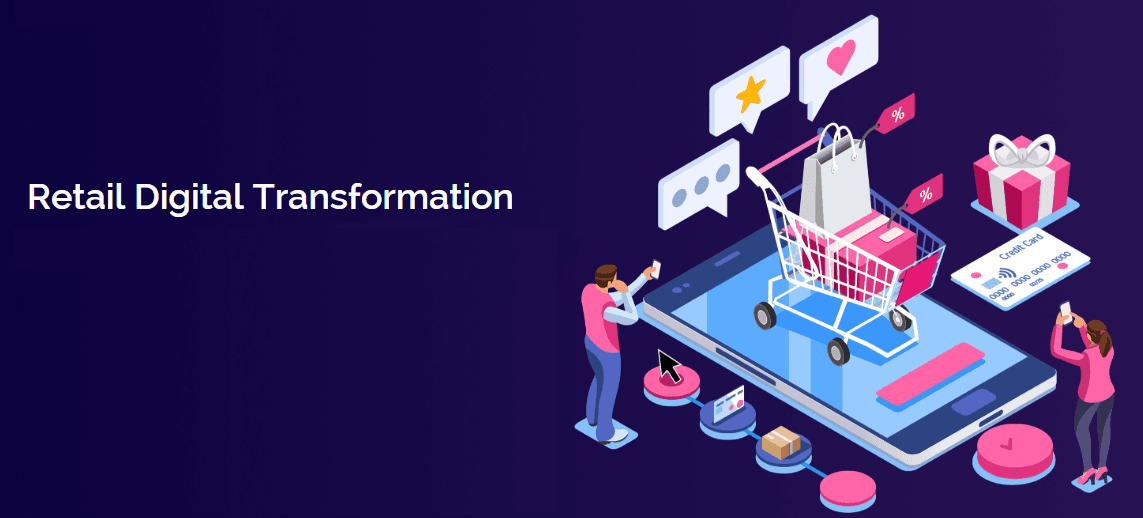
Digital transformation refers to the integration of digital technologies into various aspects of business operations to improve performance, increase efficiency, and deliver a better customer experience. In the retail sector, this includes the use of e-commerce platforms, digital payment systems, data analytics, online marketing, intelligent inventory management, and other solutions that help businesses enhance productivity and profitability.
One of the most significant impacts of digital transformation on retail is the expansion of customer reach. In the past, stores primarily depended on their physical location and the number of customers who could visit them. Today, retailers can showcase their products to a much broader audience through digital channels. This has enabled small and medium-sized businesses to compete more effectively by reaching new customer segments without making substantial investments in geographical expansion or opening additional branches.
Digital transformation has also greatly improved the customer experience. Modern consumers expect access to accurate product information, the ability to compare different options, and the convenience of completing purchases anytime and from anywhere. Digital solutions have made this possible through e-commerce platforms and mobile applications that offer a more flexible and efficient shopping experience. Furthermore, digital communication tools have strengthened relationships between businesses and customers by providing direct support, answering inquiries, and tracking orders in real time.
Another important aspect of digital transformation is its impact on internal retail operations. Modern inventory management systems can accurately track product movement, reducing errors and improving storage and supply chain efficiency. In addition, data analytics tools enable businesses to better understand customer behavior, identify popular products, and recognize purchasing trends, helping them make more informed decisions regarding pricing, marketing strategies, and resource allocation.
In the field of marketing, digital transformation has revolutionized the way businesses reach consumers. Instead of relying solely on traditional advertising methods, companies now utilize search engine marketing, social media platforms, and targeted digital advertising to engage specific audiences more effectively. This approach improves the efficiency of marketing campaigns, reduces costs compared to some traditional methods, and allows businesses to measure and analyze performance continuously.
Digital payment systems have also played a crucial role in supporting the digital transformation of the retail sector. These systems have simplified purchasing processes and reduced reliance on cash transactions, providing customers with greater convenience while helping businesses manage their financial operations more efficiently. Modern payment solutions have also introduced flexible options, including installment-based purchasing and digital wallets, which have expanded customer access and increased purchasing power for many consumers.
Many digital platforms now help merchants showcase their products and reach larger audiences without relying solely on traditional expansion through physical stores and sales outlets. These platforms also provide tools that simplify sales operations and offer customers more flexible shopping experiences. In the GINI marketplace, merchants can present their products to a wider customer base while offering both cash and installment payment options, reflecting the growing reliance on digital solutions within the retail sector.
Despite the many advantages of digital transformation, several challenges remain. Among the most notable are the need to strengthen technological infrastructure, train employees to work effectively with modern systems, and address cybersecurity concerns and customer data protection. Additionally, some businesses may find it difficult to keep pace with rapidly evolving technologies or bear the initial costs associated with digital transformation.
Nevertheless, the overall trend indicates that the use of digital technologies in retail will continue to expand in the coming years. Ongoing advancements in artificial intelligence, data analytics, and the Internet of Things are expected to create new opportunities for improving operational efficiency and delivering more personalized customer experiences. These technologies will also enhance businesses' ability to forecast demand, manage resources, and optimize supply chains.
In conclusion, digital transformation has become a major force reshaping the global retail industry. It has expanded market reach, improved customer experiences, increased operational efficiency, and transformed marketing and payment methods. Despite the challenges associated with these changes, the long-term benefits make investment in digital solutions a strategic choice for businesses seeking to strengthen their competitiveness and achieve sustainable growth in an increasingly dynamic commercial environment.