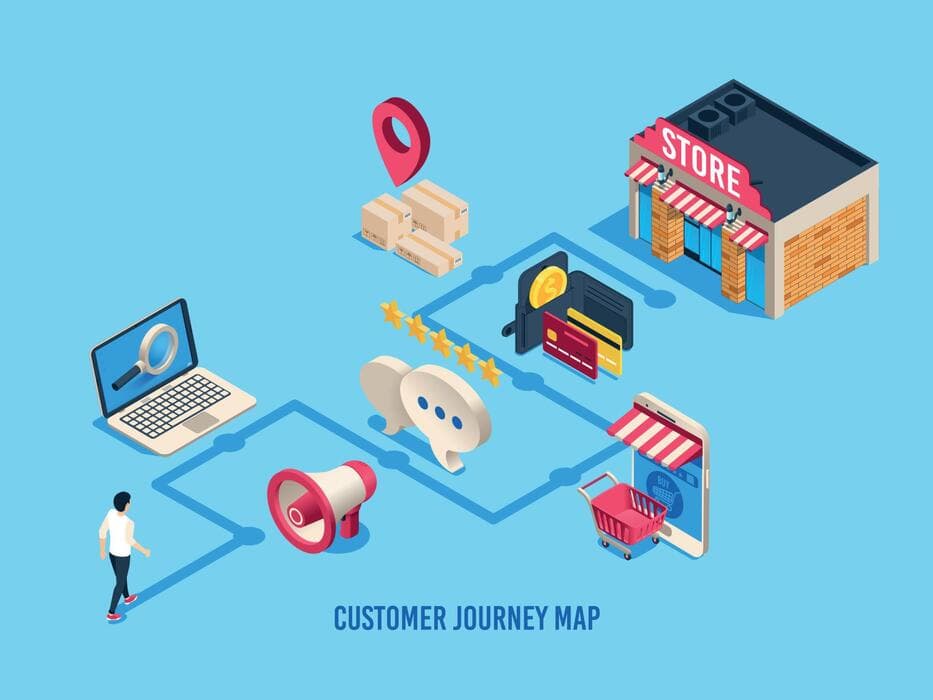
The e-commerce sector has experienced remarkable growth in recent years, driven by technological advancements and changing consumer behavior as more people rely on digital channels to make purchases. As competition among online stores continues to increase, success is no longer determined solely by product quality or website usability. Instead, it increasingly depends on a store’s ability to provide a complete shopping experience that meets the diverse expectations and needs of its customers

Consumers differ in their financial preferences and the payment methods they feel most comfortable using. While some prefer cash on delivery, others rely on bank cards or digital wallets, and a growing segment of shoppers seeks flexible solutions such as installment payments. As a result, limiting customers to a single payment method can lead to lost sales opportunities, as potential buyers may not find a payment option that suits their needs.
Offering a variety of payment methods helps reduce obstacles that customers may encounter during the purchasing process. Consumers often consider several factors before making a purchase decision, and if they reach the checkout stage only to discover that their preferred payment option is unavailable, they may abandon the transaction and turn to a competitor. For this reason, payment flexibility plays an important role in reducing cart abandonment rates and improving conversion rates within online stores.
A wide range of payment options also enables businesses to reach broader customer segments. Some consumers may not have access to bank cards, while others prefer digital wallets or newer financial solutions. The greater the variety of payment methods available, the more effectively an online store can serve different groups of consumers, resulting in higher sales potential and stronger growth opportunities.
Another important benefit is the increased trust that diverse payment options can create. When customers see that an online store offers multiple secure and reliable payment methods, they are more likely to view the business as professional and trustworthy. Well-known and widely accepted payment solutions can also reassure first-time online shoppers who may be hesitant about making digital purchases.
The importance of payment diversity becomes even more apparent in markets undergoing rapid digital transformation, where traditional payment methods coexist with modern financial technologies. In such environments, online stores must be capable of accommodating customers with varying preferences and levels of familiarity with digital financial services. Doing so helps expand the customer base and contributes to the broader growth of e-commerce within the market.
Flexible payment solutions can also have a direct impact on consumers’ purchasing power. When options such as installment payments are available, customers can obtain the products they need without facing a significant financial burden at once. This can stimulate demand for a wide range of goods and services while enabling merchants to reach new customer segments that might otherwise be unable to complete purchases through conventional payment methods alone.
Modern payment technologies also enhance the user experience by reducing the time and effort required to complete transactions. The faster and more convenient the payment process, the higher the level of customer satisfaction and the greater the likelihood of repeat purchases. As a result, many businesses continue to invest in seamless and flexible payment systems that align with the expectations of today’s digital consumers.
Many e-commerce platforms recognize the importance of providing diverse payment options that support both merchants and customers. In the GINI marketplace, merchants can offer their products with both cash and installment payment options, helping meet the needs of different consumer groups while reflecting the importance of flexibility in creating a more inclusive and effective shopping experience.
From a business perspective, payment diversity is not only about improving customer satisfaction; it is also a strategic tool for strengthening competitiveness. In a market characterized by constant change and rising consumer expectations, payment flexibility can become a distinguishing factor that helps online stores stand out from competitors and build long-term customer relationships.
In conclusion, diverse payment options have become one of the fundamental pillars of success for e-commerce businesses in the digital age. They help attract customers, reduce purchasing barriers, increase trust, expand consumer reach, and enhance the overall shopping experience. As financial technology continues to evolve and consumer expectations continue to change, providing multiple and flexible payment solutions will become even more important as a key driver of e-commerce growth and long-term business success.